Blankets and quilts add warmth, texture, and a practical finishing layer to bedding. Their weight and construction influence how they feel across seasons, while coverlets typically provide a lighter layer than a thick comforter. Coordinating them with sheets and pillows can help create a comfortable, balanced bed without obscuring the underlying linens.
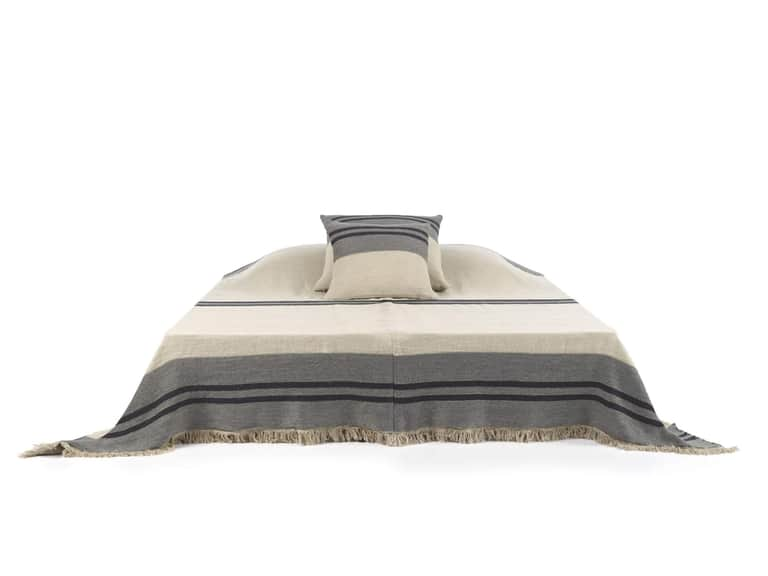
The Black House Stripe Coverlet features a striped design that brings defined pattern and visual structure to a bedroom. As a coverlet, it can serve as a lightweight top layer over sheets or as an additional layer beneath a heavier blanket. Its design offers a straightforward way to introduce pattern while keeping bedding versatile.
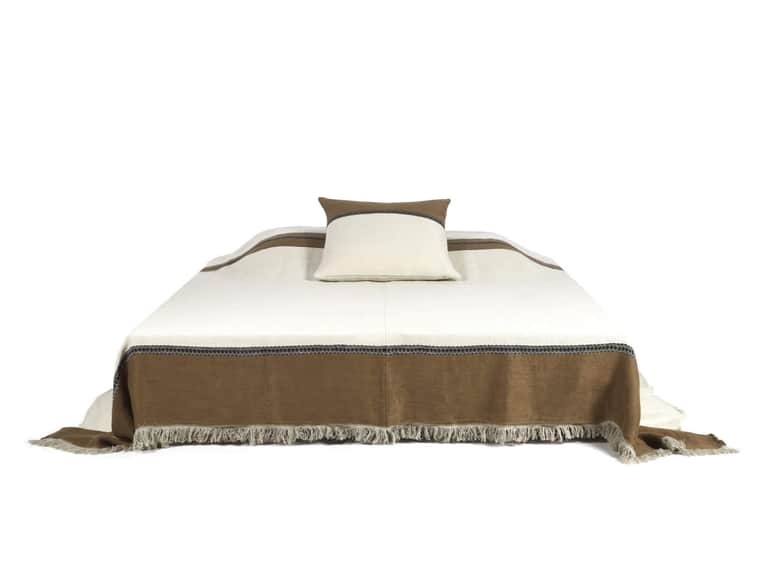
The Etienne Coverlet is another bedding layer suited to adding a composed finish to a bed. Coverlets are generally useful when a lighter covering is preferred, or when extra warmth is needed without the bulk of a quilt or duvet. Pairing this style with coordinated sheets and pillows can create a consistent look.
When choosing blankets and quilts, consider room temperature, preferred sleeping warmth, fabric feel, and how often the bedding will be layered or laundered. A lightweight coverlet may work well in warmer conditions or as a decorative bed covering, while heavier blankets and quilts provide more insulation during colder nights.
These bedding layers complement essentials such as sheets and pillows, including down pillows, by bringing comfort and visual cohesion to the sleep space. Although bath linens serve a different purpose, considering their colors and textures alongside bedroom textiles can support a consistent home-linen palette. The right layer depends on both practical warmth and personal preference.
 Bedding