Bedding · Materials & care
What GOTS Certification Means for Naturepedic Organic Sheets
A certification can make a textile’s origins easier to understand, but it is not a shortcut to judging every detail of a sheet. Here is how to read the GOTS label alongside fiber, construction, fit, and care.
A practical guide to organic sheets, linen, and informed bedding choices
There is a particular pleasure in a bed that feels considered without looking overworked: clean sheets, a little natural texture, and materials that make sense for the way you sleep. Organic certification can be part of that consideration. It offers a framework for understanding how a textile’s fibers are sourced and how certain stages of processing are managed. But a certificate cannot tell you everything about the sensation of a sheet against your skin, whether its fitted corners will suit your mattress, or whether its laundering instructions fit your routine.
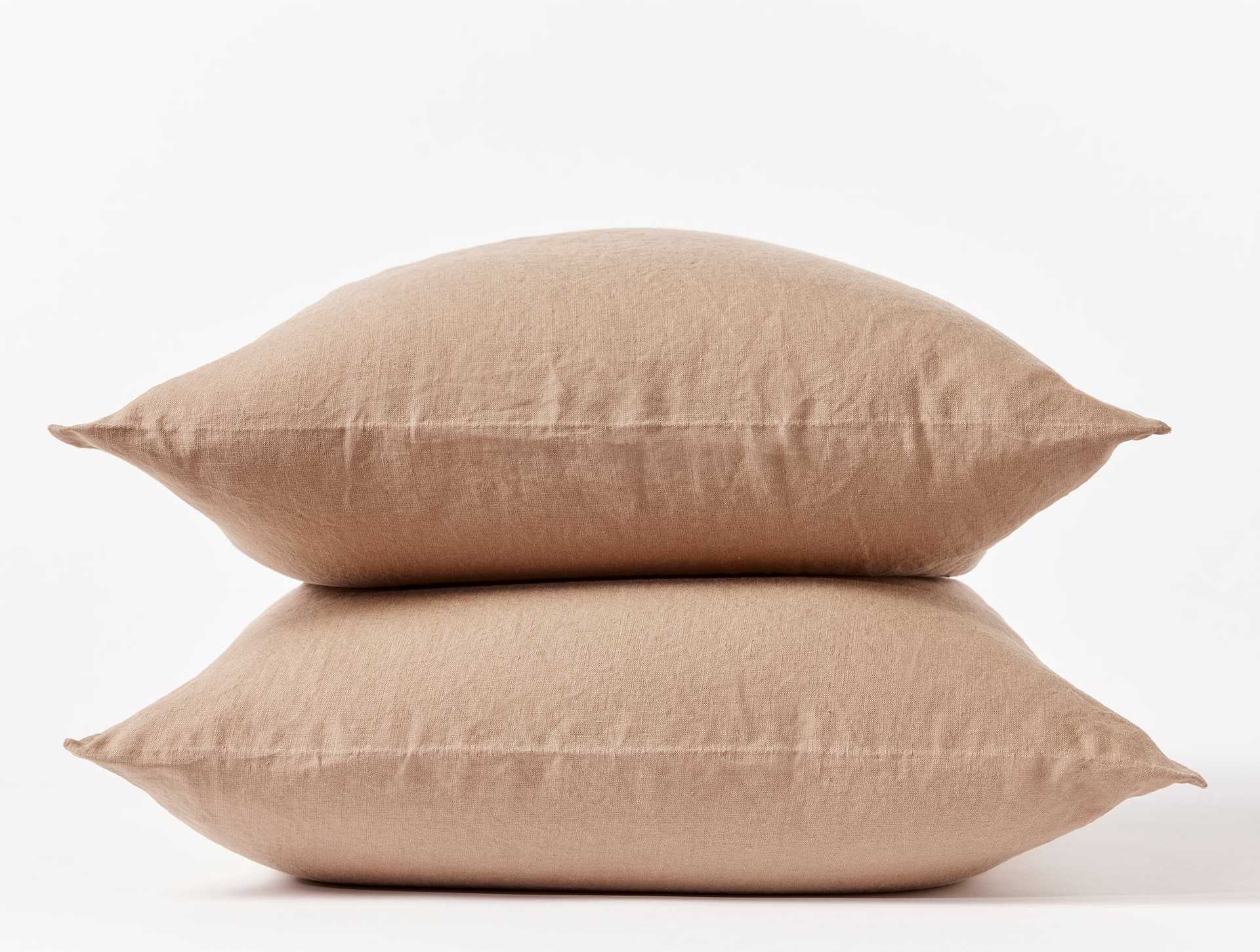
Naturepedic’s organic linen sheets provide a useful example of how to bring those questions together. The described set uses GOTS-certified organic flax linen, with flax grown in France and the finished sheets made in a GOTS-certified facility in India. The listed construction includes a flat sheet, fitted sheet, and pillowcases, with a 15-inch pocket on the fitted sheet. Those details are more informative when read as a group: certification speaks to standards in the supply chain, while material, weight, fit, and care help explain the everyday experience.
The most useful approach is neither to treat a certification as a decorative flourish nor to expect it to guarantee an ideal sleep surface. Instead, use it as one credible piece of context, then assess the product itself. The distinction is especially valuable when shopping for natural-fiber bedding, where words such as “organic,” “breathable,” and “sustainable” can otherwise blur together.
What GOTS certification is designed to address
GOTS stands for the Global Organic Textile Standard. It is a textile-processing standard for organic fibers, with requirements that apply across specified stages of the textile supply chain. The standard is intended to look beyond the agricultural origin of a fiber: it also addresses relevant processing criteria and social requirements within the facilities covered by certification. Its scope and the precise requirements depend on the applicable standard and certification details.
That broader perspective matters because a fiber’s journey does not end when a crop is harvested. It may be cleaned, spun, woven or knitted, dyed or otherwise finished, and then cut and sewn into a finished item. A label associated with an organic fiber alone may tell a narrower story than a standard that considers processing as well. GOTS certification is therefore useful to shoppers who want a more structured account of organic textile production than a general marketing claim can provide.
It is equally important to read the claim accurately. Certification does not mean that every aspect of a product is automatically preferable in every respect, nor does it mean the textile is free of all environmental impacts. Agriculture, manufacturing, transport, packaging, use, and end-of-life all have consequences. A certification can set criteria and create accountability within its scope; it is not a universal score for a product’s total impact.
For shoppers, the practical question is not simply, “Is it certified?” It is, “What does this certification cover, and what other information do I need?” Look for a clear description of the certified material, the relevant standard, and the product or supply-chain context. If a certification claim is important to a purchase, consult the certifier or standard owner’s current resources for exact scope and terminology rather than relying on a vague badge or an isolated phrase.
What the certification suggests about Naturepedic organic sheets
The Naturepedic organic linen sheet description identifies the fabric as GOTS-certified organic flax or linen and says the sheets are made in a GOTS-certified organic facility. It also specifies that the flax is grown in France. Taken together, these statements give the shopper more than a bare “organic” label: they identify the fiber, name its growing origin, and provide information about the facility where the sheets are made.
That is useful context when comparing bedding. It helps distinguish a stated organic-fiber product from one whose material description is less specific. It also encourages closer attention to the production story, rather than allowing the word “natural” to stand in for verifiable information. For readers who prioritize certified organic materials, the GOTS reference is a meaningful starting point.
At the same time, certification does not answer every practical question. It cannot tell you whether you will love the substantial hand of a 185-grams-per-square-metre fabric, whether a relaxed linen texture is your preference, or whether the color you choose will work with your room. It does not, by itself, establish that a particular sheet is cooler for every sleeper or that it will last a set number of years. Those judgments depend on the product’s construction, your preferences, how the bedding is used, and how it is cared for.
Nor should certification be mistaken for a guarantee that the sheet is hypoallergenic or that it will resolve a particular health concern. Bedding comfort is individual, and sensitivities can have many causes. If you have a specific medical or allergy-related need, assess the full product information and consult an appropriate professional rather than relying on a textile certification alone.
Linen, flax, and the feel of the fabric
Linen is made from flax fibers. Its characteristic texture and drape come from the fiber and the way the yarn and fabric are constructed. Compared with the smooth, familiar feel many people associate with cotton percale, linen often has a more visible surface and a relaxed, slightly irregular character. It can soften with repeated use and washing, though the result varies with the fiber, weave, finishing, and care.
Natural fibers can absorb moisture, and linen is often valued for its airy feel. How cool a sheet seems in practice, however, is shaped by more than fiber identity. Fabric weight, weave density, bedroom conditions, sleepwear, mattress protectors, and personal temperature preferences all contribute. A heavier linen may feel reassuringly substantial; a lighter construction may feel less weighty. Neither is universally best.
Naturepedic lists its organic linen fabric at 185 gsm, or grams per square metre. Fabric weight is a useful comparison point, but it is not a complete measure of quality or comfort. The number describes mass per area, not softness, weave tightness, yarn quality, or how the fabric will feel after a year of use. Treat it as one specification alongside the tactile character and product details, rather than as a quality score.
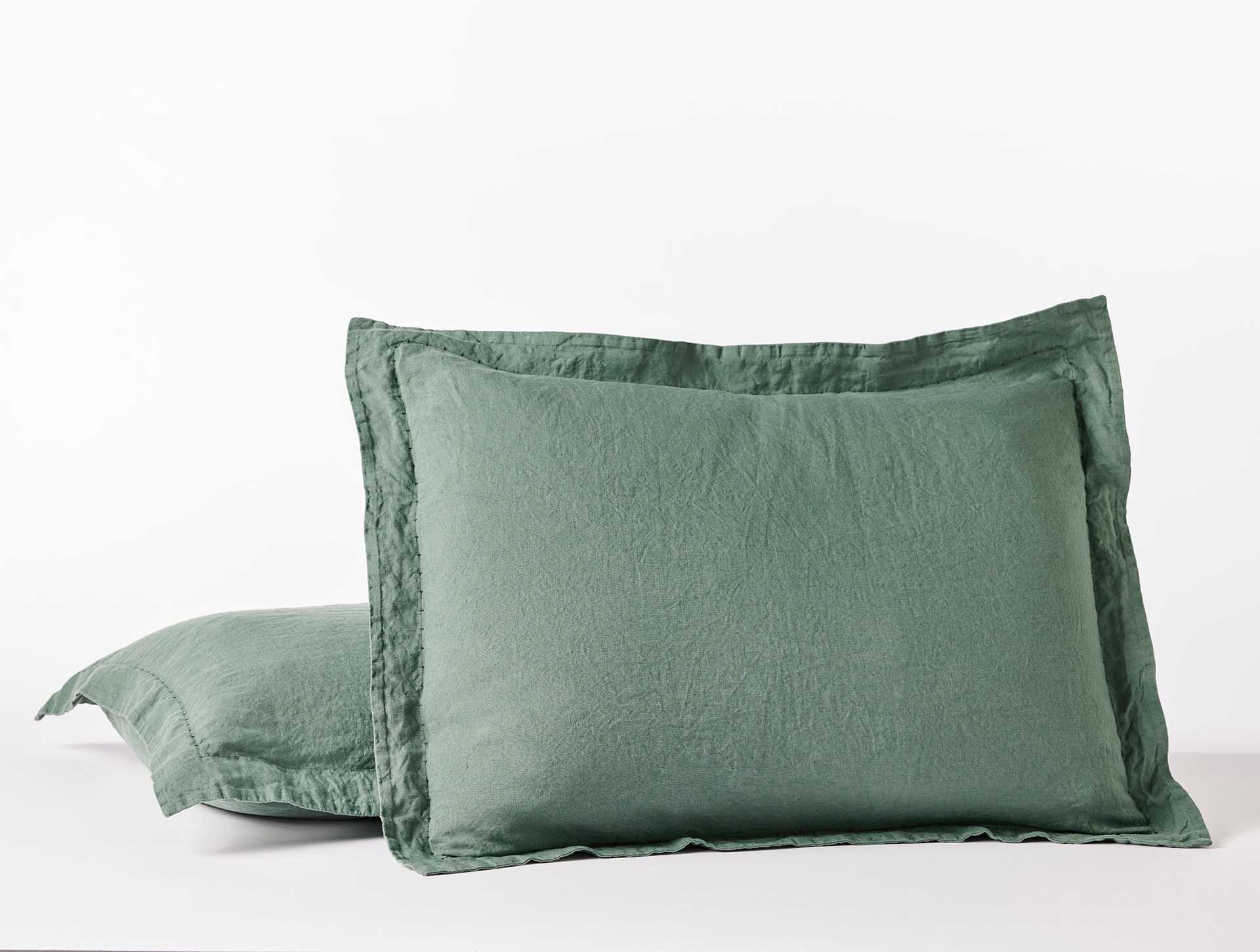
The collection description also notes stone washing and a range of colors. A washed finish can contribute to a more relaxed hand from the outset, although the exact result depends on the manufacturer’s process. If you prefer crisp, smooth bedding, linen’s natural texture may take adjustment. If you enjoy an unpressed, lived-in bed, that same texture may be part of its appeal.
Read the construction details before choosing a set
A sheet set is a small system of components, and each one needs to work with your bed. The Naturepedic set is described as including one flat sheet, one fitted sheet, and two pillowcases. The fitted sheet has a listed 15-inch pocket. Before choosing a size, measure the mattress depth, including any topper or pad that remains under the sheet. A pocket measurement can help you estimate fit, but mattress shape and the amount of fabric needed to tuck underneath can also matter.
Check the dimensions and contents for the exact size you intend to order. Pillowcase quantities and dimensions may differ by set size or listing, and labels such as “Queen” do not always resolve every measurement question. If a mattress is unusually deep or has a thick topper, verify the fitted-sheet specifications rather than assuming that a standard size will accommodate it.
Construction details can also indicate how the sheet is designed to stay in place and finish at the edges. Elastic, pocket depth, seams, hems, and any decorative stitching all affect usability, though the significance of each feature depends on the product and the person using it. A refined cuff detail may be visually appealing; a secure corner fit may be the more important consideration for a restless sleeper.
When comparing linen with cotton or a blend, focus on what you can verify: fiber content, fabric weight where available, dimensions, finish, care guidance, and certification. Thread count is frequently discussed in cotton bedding, but it is not a universal shorthand for quality across different fibers and fabric constructions. Linen’s character is better assessed through its material and weave details, then matched to your own preferences.
Care is part of the purchase decision
Even a beautifully made sheet is only a good fit for your home if you are comfortable caring for it. The Naturepedic organic linen sheet listing gives the care guidance as machine wash warm, tumble dry low, warm iron, and no bleach. Always follow the instructions on the current product label, since care recommendations can vary by construction, finish, and product version.
For linen in general, avoid overloading the washing machine: fabric needs room to move and rinse. Use a suitable detergent and choose the cycle and water temperature specified by the maker. High heat and aggressive handling can put unnecessary stress on fibers. If you choose to iron, the instructions for this sheet specify warm ironing; other linen products may recommend ironing while damp or may be designed to remain unpressed. The correct method is product-specific.
Drying deserves the same attention. A low dryer setting can be convenient, but removing sheets promptly may help limit deep creases. Line drying is another option when space, weather, and the product’s instructions allow. Avoid assuming that every linen item can be treated identically: a washed linen sheet, a decorative sham, and a blended textile may have different care needs.
Chlorine bleach is not recommended for the Naturepedic listing. More broadly, bleaching agents and stain treatments should be chosen with care, because they can affect color and fibers. For a spill, address it promptly, follow the product’s care guidance, and test any stain-removal method discreetly where appropriate. Gentle, consistent laundering is often easier on bedding than infrequent, intensive washing.
With use, linen’s surface can change and soften. That evolution is part of its appeal, but it should not be confused with a guarantee of indefinite durability. How long sheets remain in good condition depends on fiber quality, construction, washing habits, drying heat, friction, and frequency of rotation. Buying what suits your routine—and caring for it accordingly—is a more reliable path to longevity than any single descriptor.
A considered checklist for comparing organic sheets
Use certification as the opening of the conversation, then move through the details that shape daily comfort. This checklist keeps the comparison grounded and avoids treating one attractive claim as the whole story:
- Fiber: Confirm whether the product is linen, cotton, silk, or a blend, and check the stated percentage of each material.
- Certification: Identify the exact standard and the product or processing claims being made. Look for clear, specific language rather than relying on “eco” or “natural” alone.
- Origin and production: Note where the fiber was grown and where the textile was woven or made, if the information is available. Different stages can take place in different countries.
- Weight and weave: Use specifications such as gsm as comparisons, not as a verdict. Consider whether you prefer a light, smooth sheet or a more substantial, textured one.
- Fit: Measure the mattress, including a topper, and compare it with the fitted-sheet pocket and full dimensions.
- Set contents: Check the number and size of sheets and pillowcases included for the exact size you are considering.
- Care: Make sure the washing, drying, and ironing instructions work with your household routine.
- Use and feel: Consider your sleep temperature, preferred texture, laundering frequency, and how the sheets will be used throughout the year.
This approach is useful beyond one brand or one fiber. It makes a comparison between organic linen sheets and cotton bedding more precise, because the decision is no longer reduced to a label or a marketing phrase. You can weigh the certification against the actual fabric and the practical realities of your bedroom.
How to think about sustainability without overclaiming
Organic flax and textile certification can be relevant to a more thoughtful bedding choice, but sustainability is not a simple synonym for organic. Environmental impact can depend on farming practices, processing, energy and water use, transportation, product lifespan, washing and drying habits, and what happens when the item is no longer usable. No single material or label resolves all of those considerations.
For a shopper, the most grounded questions are specific: Is the fiber identified? Is the certification explained? Are the manufacturing details transparent? Is the product likely to suit my needs well enough to be used regularly? Can I care for it in a way that supports a long service life? A sheet that remains in rotation and is maintained carefully may be a more considered household choice than an item bought for an appealing claim but poorly suited to daily use.
It is also sensible to distinguish between confirmed product facts and broad benefits. A named certification and a stated material composition are verifiable details when accurately represented. Claims such as “better for the planet” or “healthier sleep” require more context. Read them with curiosity, not cynicism: the goal is to understand what evidence or standard supports the wording and what remains outside its scope.
The quiet case for linen pillowcases
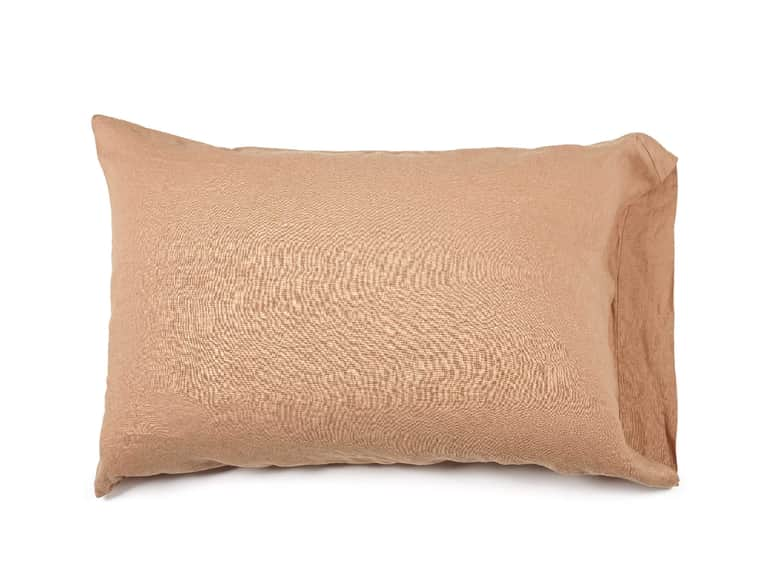
Sheets are the foundation of a bed, but pillowcases have their own close-to-the-skin role. If you are comparing coordinated linen pieces, the Organic Relaxed Linen Pillowcases are described as GOTS-certified organic French linen, woven in Portugal. The listing specifies two pillowcases, pick-stitched cuffs, and a plant-based softener finish, with care instructions to machine wash cold on a gentle cycle and tumble dry low.
Those details make the pillowcases relevant to readers exploring certified organic linen bedding, while still leaving the key personal questions intact: whether you like linen’s textured surface, whether the dimensions suit your pillows, and whether the care routine fits your household. A coordinated set can create a calm, cohesive bed, but matching every layer is not necessary. Linen’s natural variation can sit comfortably beside simple cotton or other understated materials when the colors and textures are chosen with care.
The bottom line
GOTS certification offers useful information about organic fibers and textile processing within the standard’s scope. For Naturepedic organic sheets, the stated certification, French-grown flax, linen fabric, and facility information give shoppers a clearer starting point for understanding the product. But the certification is one part of a larger decision—not a promise about softness, cooling performance, fit, lifespan, or personal comfort.
Look closely at the complete material description, fabric weight, set contents, mattress compatibility, and care instructions. Consider how linen feels to you and how you want your bedding to behave in daily life. The best choice is not necessarily the one with the most impressive-sounding label; it is the one whose claims are clear, whose qualities suit your preferences, and whose care you can maintain with ease.
That is the understated luxury of an informed bedding choice: not perfection in a label, but confidence in the details that matter once the bed is made, the lights are low, and the fabric becomes part of the rhythm of home.
Frequently asked questions
Does GOTS certification mean a sheet is made entirely from organic material?
The exact claim depends on the product and the applicable standard requirements. Read the product’s material composition and certification wording carefully, and consult current GOTS resources if you need to confirm the meaning of a particular label or claim.
Does GOTS certification guarantee that linen sheets will feel soft?
No. Certification addresses defined production and processing criteria, not an individual’s tactile preference. Softness depends on fiber, yarn, weave, finishing, and use. A product description may provide clues, but feel remains personal.
Are linen sheets automatically cooler than cotton sheets?
Not in every setting or for every sleeper. Fiber, fabric weight, weave, bedroom temperature, and personal preference all influence perceived comfort. Linen is often appreciated for its breathable feel, but compare the specific constructions rather than relying on fiber name alone.
What should I check before washing organic linen sheets?
Follow the instructions on the product label. The Naturepedic sheet listing recommends machine washing warm, tumble drying low, warm ironing if desired, and no bleach. Care directions vary across linen products and finishes, so do not assume one item’s instructions apply to another.